
Medical tests: Which ones are most important? How often should I be tested?
General Health & Wellness on March 10, 2011. Last modified on March 09, 2020. Read disclaimer.
One of the questions medical doctors are asked most is some variation of this: "How often should I be checked for high blood pressure?" -- or bone density or colorectal cancer, or any of several other standard health tests. You name the type of screening, and chances are that many people are unsure how often to have these important tests.
+ Free Shipping & Returns on Eligible Items.
(*Amazon's Top 100 list updated hourly.)
Regular check-ups are very important. If you're overdue for an annual physical, why not make an appointment today? The chart on this page will give you a quick, handy reference you can discuss with your healthcare provider. Remember: you and your health are unique, so use this guide as a starting point. And be sure to ask if any other tests are needed, based on your age, as well as your health history and that of family members.
Each test is designed to see a problem in its earliest stages. This is a good thing! Catching problems early avoids the damage advanced disease can do to your health.
An even better solution is identifying a needed lifestyle change early enough to avoid a problem altogether. For instance, if you have high blood pressure, your condition probably did not appear overnight. High blood pressure may be officially diagnosed when the top number (systolic) reaches 140, but damage is occurring when the number exceeds 132. And this is a far cry from the "ideal" number of 115. So, you should strive for 115, not just a number below 140.
Another example is LDL (low density lipoprotein) cholesterol. This is the "bad" or "lethal" cholesterol. Some laboratories report that this value is "high" when it exceeds 130. Unfortunately, the reality is that damage is occurring when your level is above 110. And the worldwide average of LDL cholesterol is 70! Many countries with the lowest levels are not plagued with heart disease and Alzheimer's as we are. So 70 becomes your ideal measurement goal.
One last example of a disease that may "sneak up on you" is diabetes. Most labs report that you have diabetes if your blood sugar (glucose) is above 125. Endocrinologists recognize that damage is occurring when your sugar reaches 110. And the median number for blood sugar in healthy people is around 85. People with a fasting glucose that is 5 points higher or lower than 85 are likely having symptoms of disturbed blood sugar.
An ounce of prevention is worth a pound of cure so early detection is your best solution to effectively treating a potentially life-threatening diagnosis. Add years to your life and life to your years by getting a checkup today!
| Blood Pressure Checks | At least every two years, if normal |
| Cholesterol Test | Checked at least once, then regularly as determined by your healthcare provider and depending upon family history |
| Homocysteine Test | Checked at least once, then regularly as determined by your healthcare provider |
| Physical Exam | Every three years from age 20-39, every two years from age 40-49, and annually after age 50 |
| Diabetes Screening | During physical exam, or annually if at high risk for diabetes |
| Bone Density Test (for osteoporosis) | At-risk patients should begin scans at age 40, at menopause or as directed by healthcare provider |
| Pap Smears | For women every 1-3 years |
| Mammograms | For healthy women every 1-2 years after age 40; if concerned see your healthcare provider immediately |
| PSA Blood Test | Annually after age 50; if at high risk or African American, annually after age 40 |
| Colorectal Cancer Screening | Regular screening for men and women at age 50 or if at high risk (family history of colorectal cancer or diagnosis of ulcerative colitis). This test may include sigmoidoscopy,colonoscopy, rectal exam and a fecal occult blood test. |
Source: VitaJournal Special Edition. Dr. Scott Conrad, M.D., Founder of TienaHealth Medical Group
Healthy Aging Tips...
Chocolate lovers, rejoice: you may have a healthier heart
Perth, Australia - Heart problems may be less likely in older women who eat chocolate, say researchers in the Archives of Internal Medicine.
 Scientists followed 1,216 women over the age of 70 for 10 years. They found that those who ate chocolate at least once a week (one serving was equal to the amount of cocoa in one cup of hot cocoa) were 35% less likely to be hospitalized or die from heart disease and 60% less likely to be hospitalized or die from heart failure than those who ate less than one serving per week.
They found that the women who ate chocolate daily and those who ate it weekly experienced comparable heart health benefits. However, more research is needed to explain the study results.
Salt Lake City Tips for healthy living...
Keep your feet healthy by avoiding these common foot care pitfalls
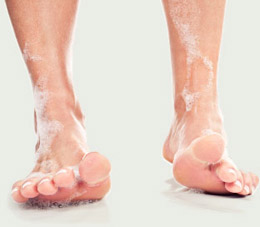
Have you checked your feet lately? Those unsung heroes of the human body can take a beating over a lifetime: Every mile you walk puts 200,000 to 300,000 pounds of stress on your feet. And by the time you're 50, you've probably walked about 75,000 miles. Disease, bad circulation, poorly-trimmed toenails and wearing shoes that don't fit can also take a toll on your tootsies.
Common foot care mistakes
Keep your feet healthy by avoiding these foot care mistakes:
- Ignoring your feet -- Inspect your feet regularly. Look for any discoloration on your skin and nails, cuts, cracks, peeling or scaling. Also, do not ignore any foot pain or growths on your feet; both of these conditions are not normal. Foot problems are sometimes the first sign of more serious conditions such as diabetes, arthritis, and nerve or circulatory disorders. If you develop a sore on your foot that does not heal, experience persistent foot pain or find any growths, consult your healthcare provider.
- Wearing shoes that don't fit -- Wearing shoes that don't fit can result in blisters, corns, calluses, bunions, ingrown toenails, tendinitis, hammertoes and other conditions. Always have your feet measured before buying new shoes as your shoe size may change as you age. The best time to have them measured is at the end of the day.
- Putting on the same shoes every day -- Alternate the shoes you wear as well as your socks and hosiery. Allowing shoes to air out can help protect against athlete's foot, a fungus that can cause dry skin, redness, blisters, itching and peeling. Switching out your shoes can also help with foot odor.
- Trimming toenails incorrectly -- Poorly trimmed toenails can lead to ingrown toenails. Cut toenails straight across so the corner of the nail can be seen above the skin. Be sure to use clippers that are specifically for toenails.
- Going barefoot -- Walking without shoes can expose you to injury or infection. It can also expose you to the virus that causes plantar warts, typically on the soles of your feet. In addition to being unsightly, plantar warts can be painful and spread.
- Standing for long periods of time -- Standing for too long can cause spurs, bony bumps that grow on foot bones, and swollen feet and ankles.
By taking care of your feet, you can keep these most valuable assets healthy for years to come!

 Subscribe to our RSS